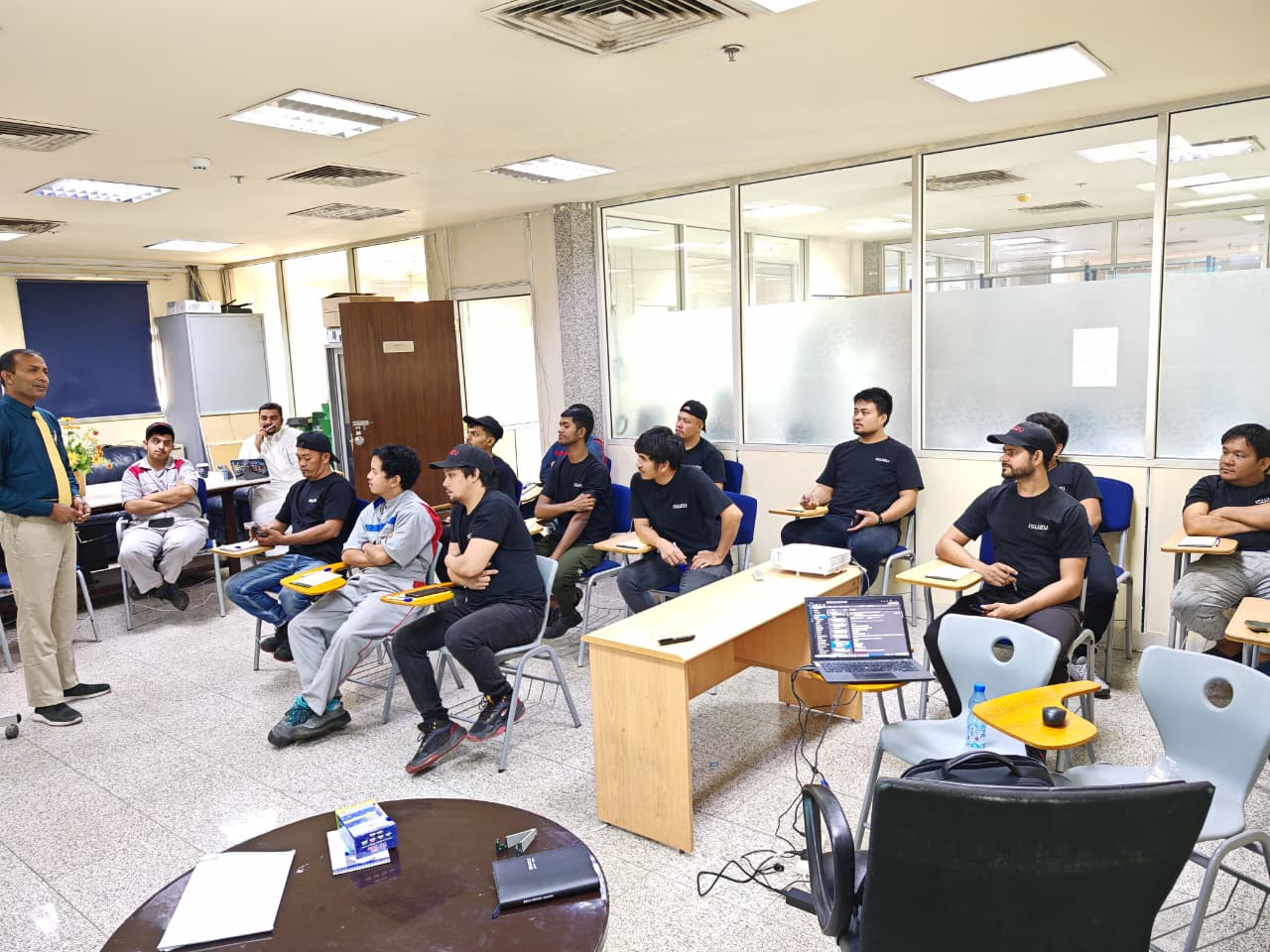
With 29+ years of global automotive training experience,
I have seen one common pattern among technicians —
assuming the cause before confirming the real fault.
This is the biggest blind spot.
THE BEST TECHNICIANS DON'T GUESS — THEY DIAGNOSE.
Step-by-Step Diagnostic Guide
1
Listen to the Customer
Understand driving conditions, roughness, vibration, power loss, fuel economy, and warning lights.
2
Visual Inspection
Check air filter, fuel filter, vacuum hoses, intake leaks, connectors, wiring, and fuel leaks.
3
Basic Mechanical Checks
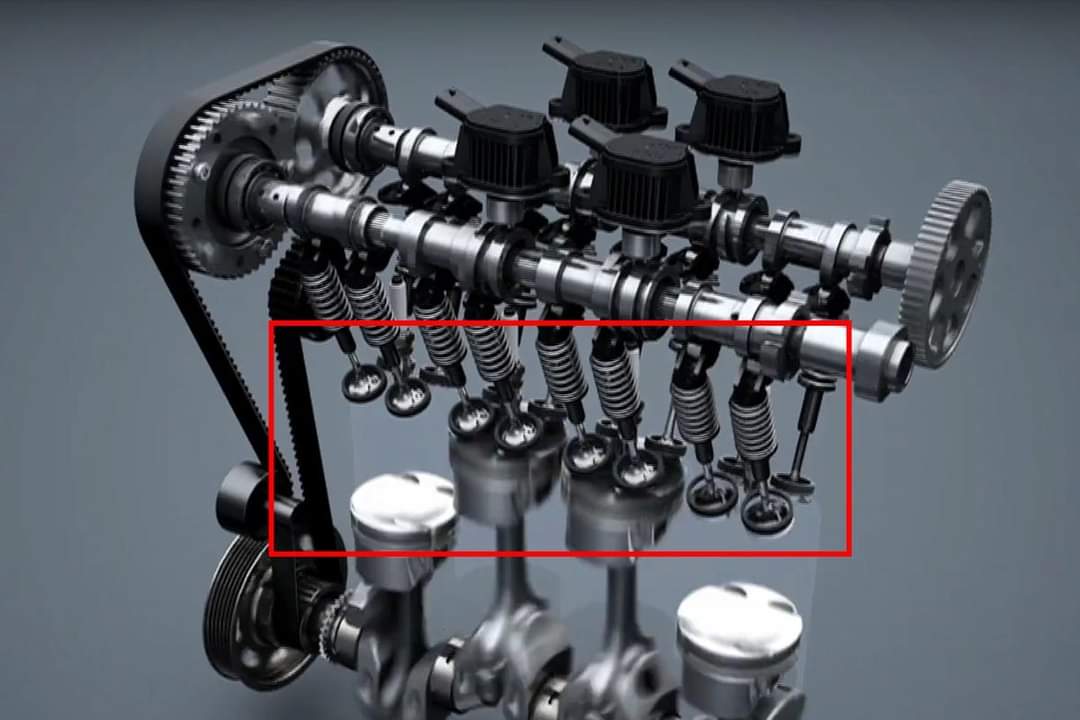
Verify fuel pressure, spark plugs, ignition coils, compression, battery voltage, and cooling system.
4
Scan Tool Diagnosis
Read DTCs, monitor live data, fuel trims, MAF/MAP, oxygen sensors, and compare with specifications.
5
Confirm the Root Cause
Verify the repair and complete a final road test before vehicle delivery.
Professional Tips
Follow manufacturer diagnostic flow.
Use live data, not only DTCs.
Compare readings with known-good values.
Test before and after repair.
Document all findings.
Verify with a road test.
Do's & Don'ts
DO'S
- Verify before replacing parts.
- Follow the diagnostic procedure.
- Educate the customer.
- Use correct tools and specifications.
- Complete a final road test.
DON'TS
- Don't guess the problem.
- Don't ignore customer complaints.
- Don't replace good parts.
- Don't erase DTCs before recording them.
- Don't skip final verification.
DIAGNOSIS IS NOT ABOUT FINDING A FAULTY PART — IT IS ABOUT FINDING THE REAL CAUSE.
Success Story
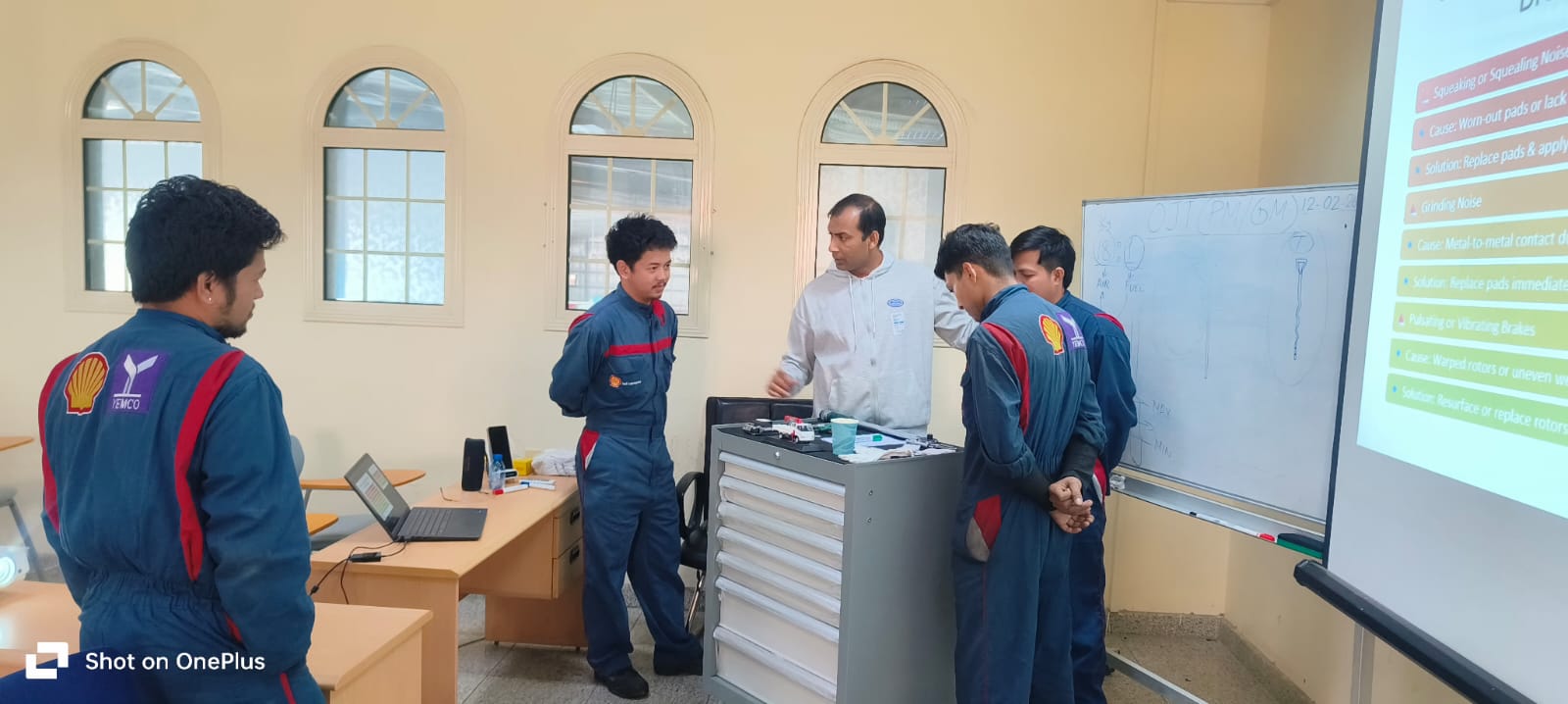
Under my training and mentorship, YEMCO achieved 1st Rank in the MENA Technical Competition.
This accomplishment reflects the power of disciplined training, systematic diagnosis, and continuous practice.
Conclusion
In today's competitive world, technical skills alone are not enough.
Diagnostic skills separate good technicians from great professionals.
Every correct diagnosis builds trust. Every solved problem builds reputation.